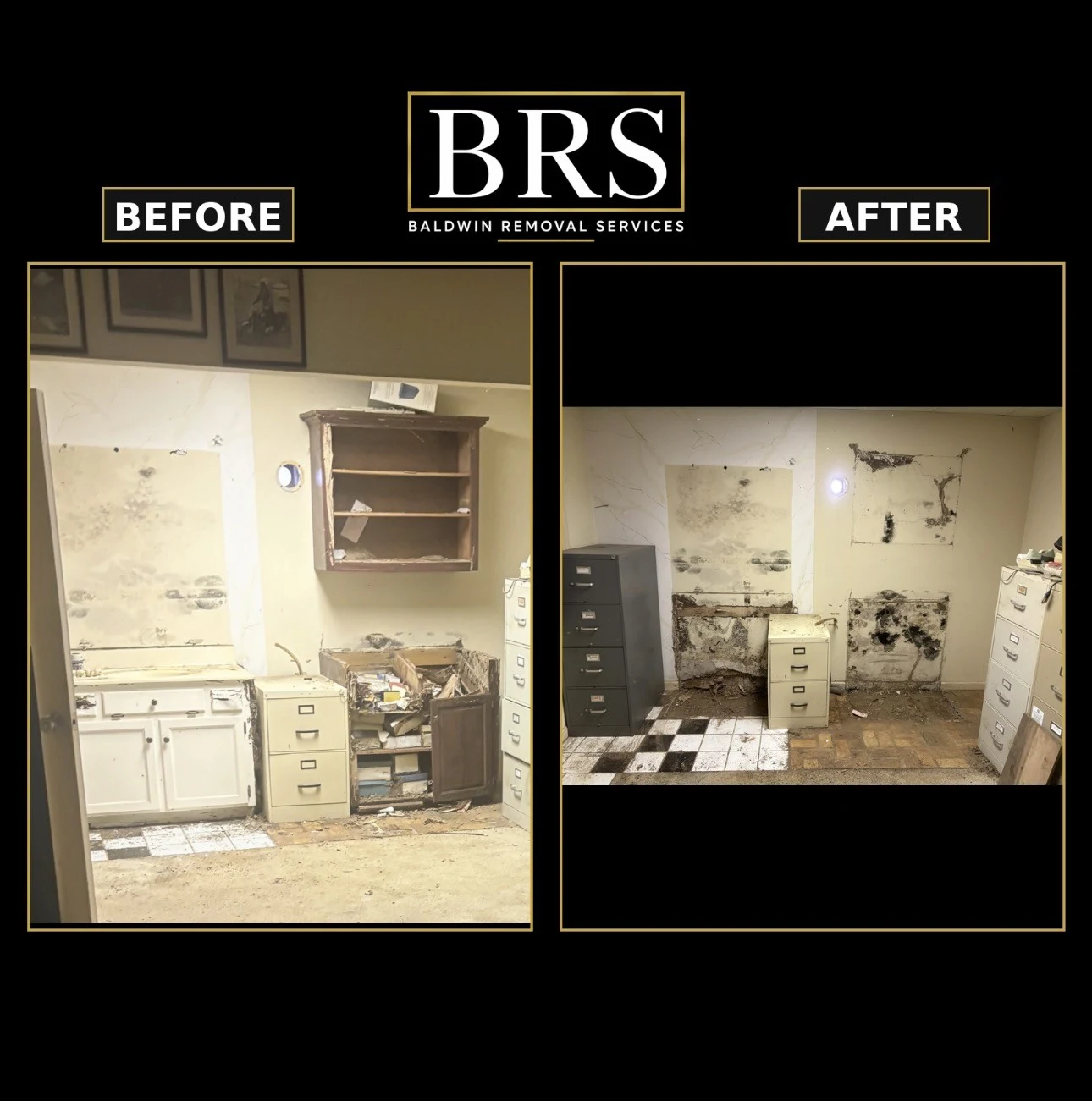
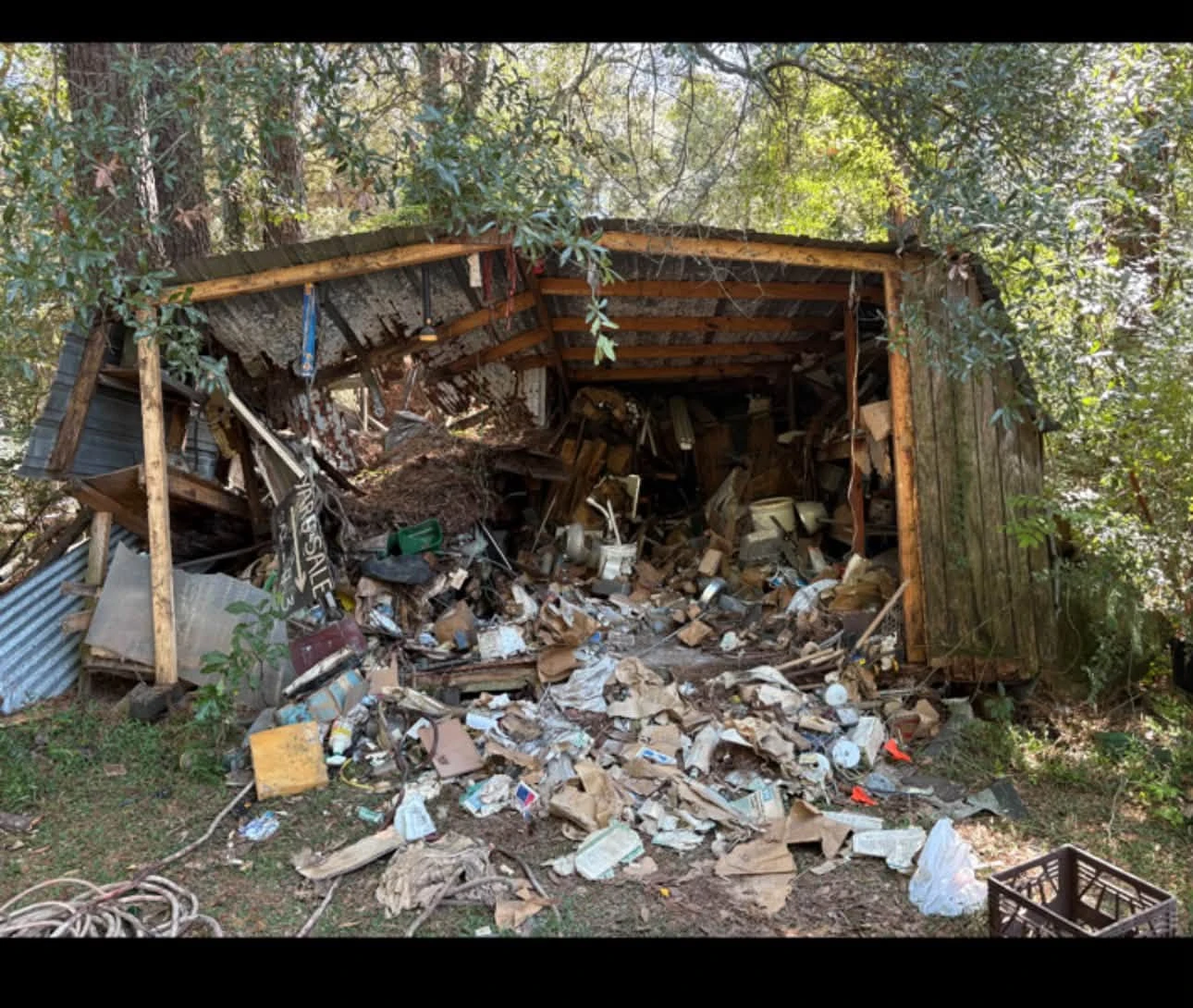
Light demolition begins by identifying exactly what comes down and what remains. Small structures and selected tear-outs need a different assessment from hauling material that has already been demolished.
Teardown or debris pickup?
If the material is already down, describe the pile and its contents. If it is still standing, share dimensions, construction materials, attachment points and photographs from several sides. The crew needs to assess removal and hauling separately before confirming a scope.
What must remain?
Identify adjoining walls, roofing, fences, landscaping and surfaces that must be protected. Ask specifically whether posts, footings, slabs and embedded fasteners are included. Removing a shed or deck does not automatically include excavation, grading or a new surface ready for construction.
Resolve the dependencies first
Explain any electrical, gas, water or other connections and who will make them safe. Ask the responsible authority about your exact address and proposed work. Supporting structures, uncertain materials and larger demolition need assessment; they are not automatically included in a light-demolition quote.
Agree on hauling and the handover
Confirm where debris can be staged, the loading route, the material types and the cleanup included. Mark the removal boundary with the crew before work begins and review the agreed finish afterward. Hazardous or unidentified material needs separate discussion before handling.